Brown Sugar Dijon Arctic Char | Feastu
30-MINUTE MEALS! Get the email series now
Royal Recipe

Brown Sugar Dijon Arctic Char

5 from 1 vote
1 Comments
Emma Louise
By: Emma LouiseUpdated: Jan 20, 2026
This post may contain affiliate links. Please read our disclosure policy.

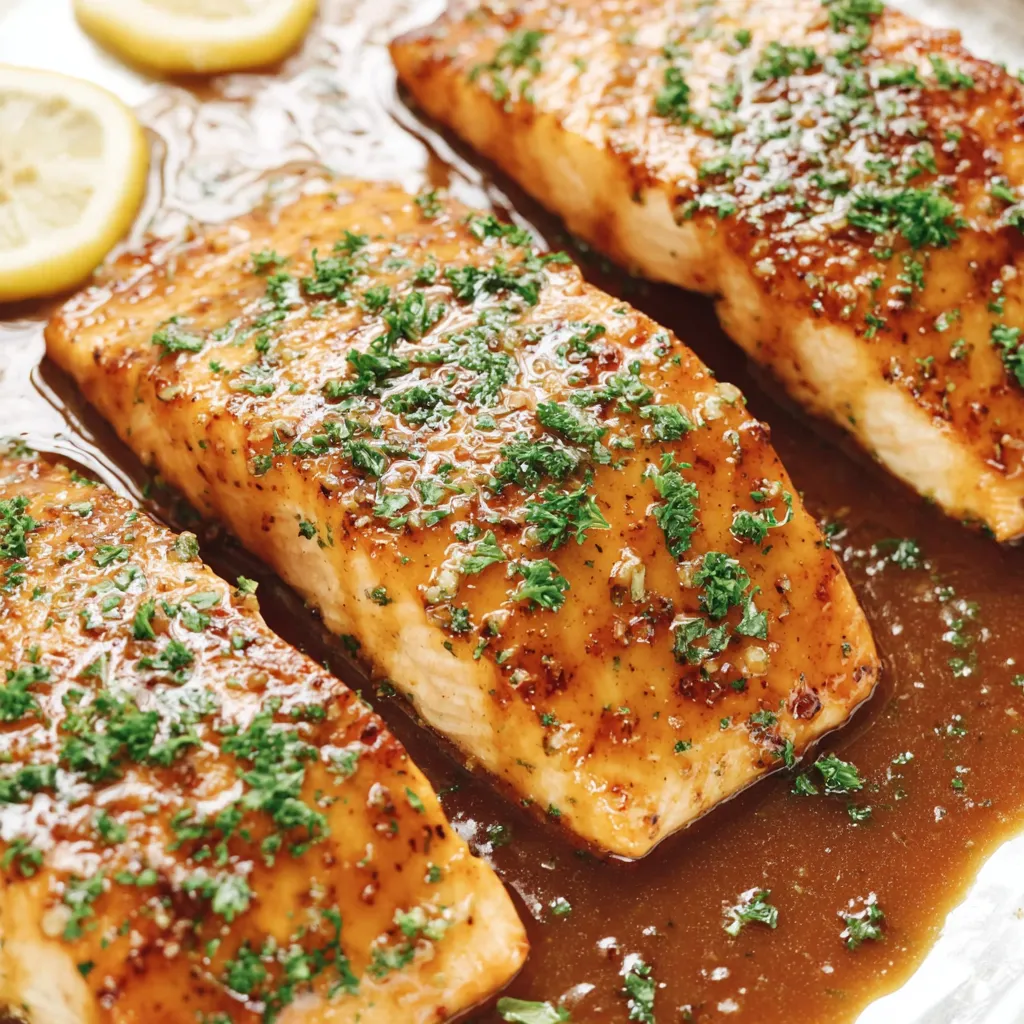
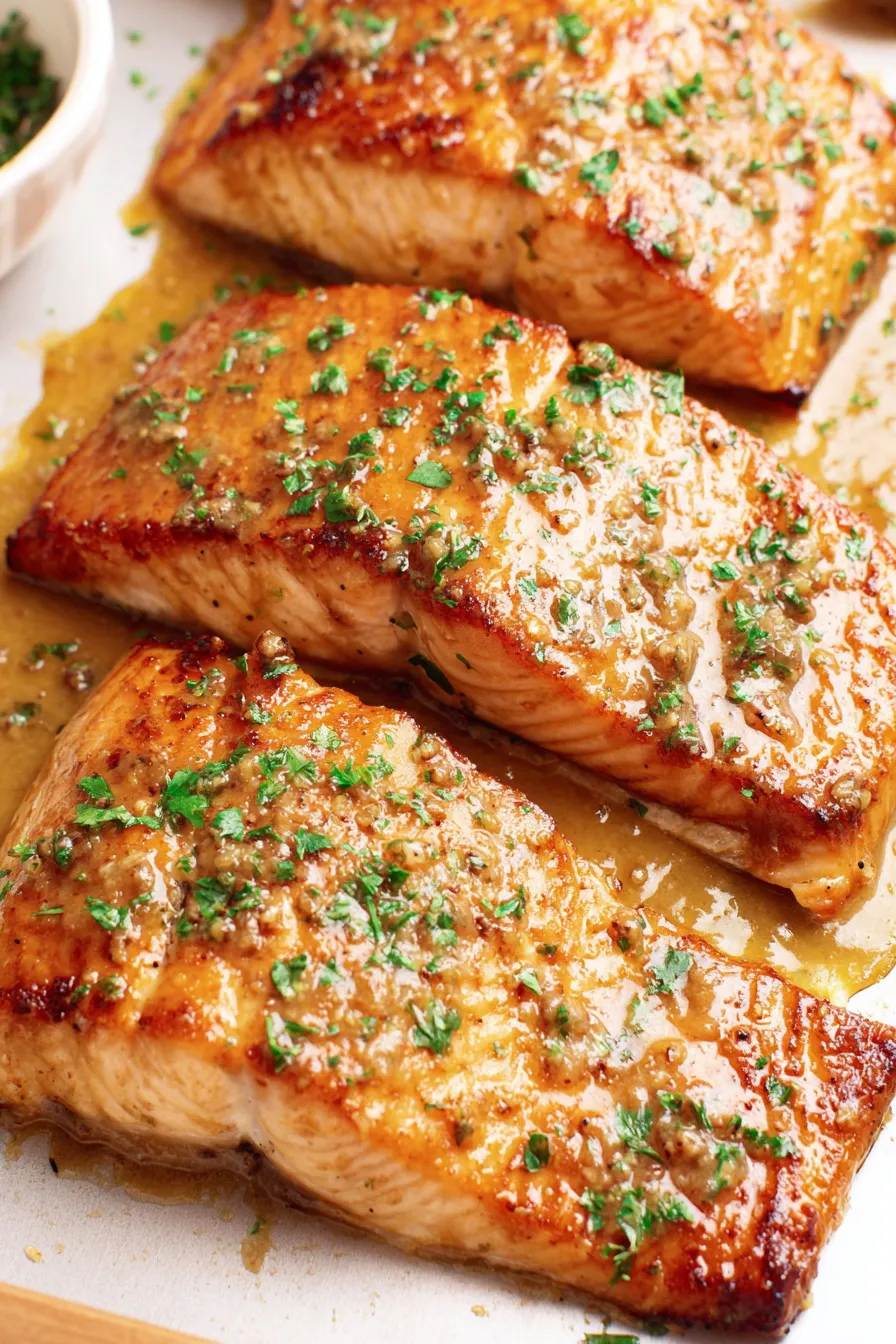
A quick, weeknight-friendly fillet glazed with a sweet-savory brown sugar and Dijon mustard topping — tender, flaky Arctic char with bright lemon and fresh parsley.
Brown Sugar Dijon Arctic Char
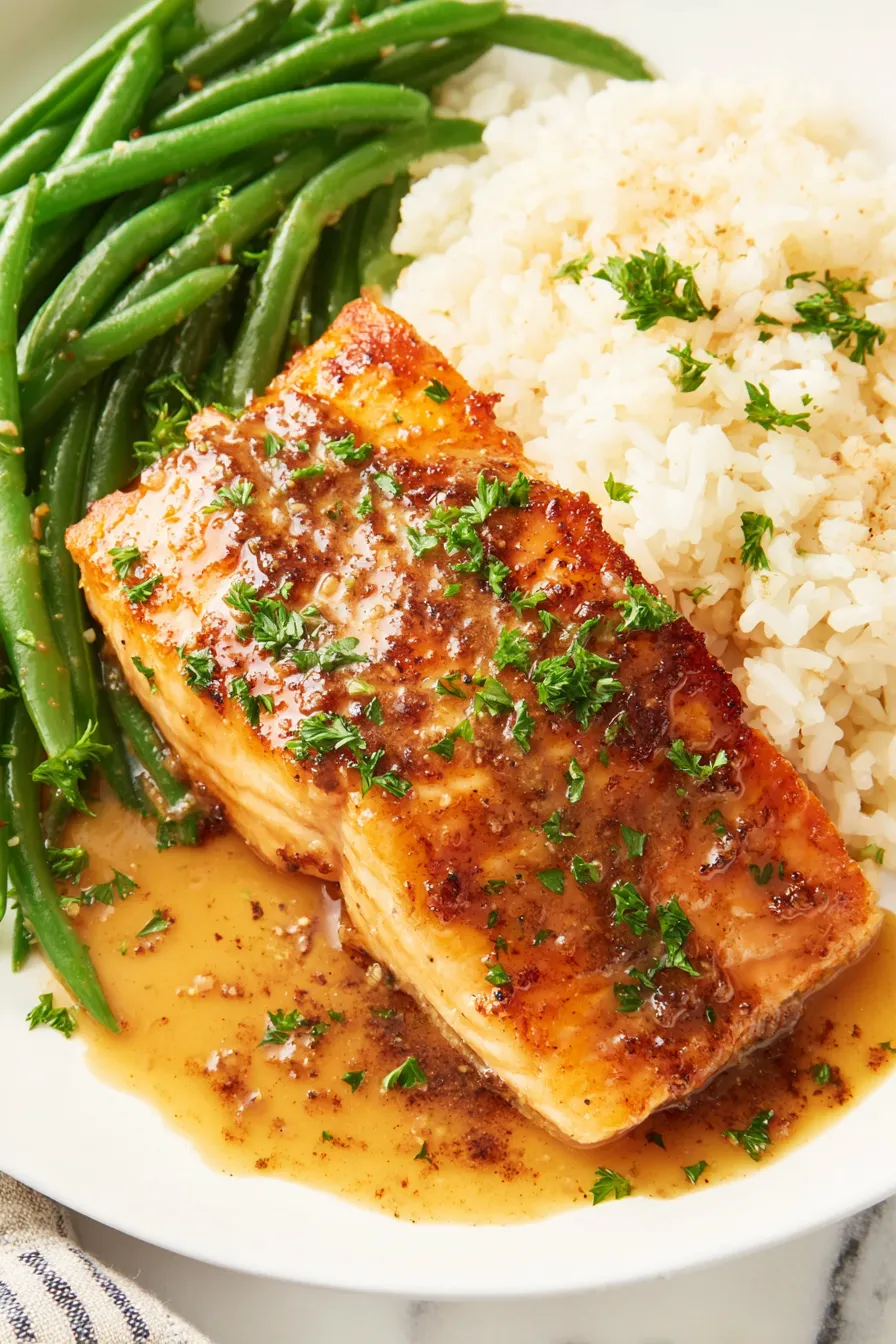
This Brown Sugar Dijon Arctic Char has been one of those simple dishes that quietly became a family favorite the first time I made it. I stumbled on the combination of sweet brown sugar and tangy Dijon on a busy weeknight when pantry staples were all I had, and the result was surprising: the glaze caramelizes just enough to add a glossy, flavor-forward crust while the fish remains buttery and delicate underneath. The dish is perfect for evenings when you want something special without a long list of steps. I discovered it the same month I bought my first whole fish at the market; test-driving fillets led to this easy, crowd-pleasing topping that works on salmon, trout, or Arctic char. What I love most about this preparation is the balance of textures and flavors. Arctic char has a fine, firm flake and a naturally rich mouthfeel that stands up to a sweeter glaze without becoming cloying. The Dijon adds a backbone of acidity and savory depth, lemon juice lifts the overall profile, and a whisper of garlic powder offers background warmth. The skin in this particular version does not crisp, so I typically slide it off before serving and present the glossy fillet on a warm plate with a scattering of chopped parsley. Family members always comment on the glossy finish and bright pop from the lemon, and it has become my go-to when guests arrive unexpectedly.

Why You'll Love This Recipe

  • This preparation is ready in about 20 minutes from start to finish, perfect for weeknights when time is short but you want something satisfying and restaurant-worthy.
  • The glaze relies on pantry staples: brown sugar, Dijon mustard, lemon juice, and garlic powder, so you rarely need a special shopping trip.
  • It works with multiple fillets sizes; adjust the bake time and check at the 10 minute mark for thinner fillets to avoid overcooking.
  • Make-ahead friendly: you can mix the glaze up to a day in advance and store it covered in the refrigerator for effortless assembly.
  • Crowd-pleasing and adaptable: swap brown sugar for maple syrup or use whole-grain mustard for added texture and visual interest.
  • Low fuss cleanup: lining the baking sheet with foil and using a light spray makes putting the kitchen back together simple and quick.

I first served this to friends at a casual dinner party and everyone asked for the technique rather than the recipe name. The combination of sweet and tangy with the delicate fish was unexpectedly more sophisticated than the few ingredients suggest. Over time I learned small adjustments — like finishing with lemon right before serving — that keep the flavors bright and the texture perfect.
Ingredients

  • Arctic char fillets: Four 6-ounce fillets with skin on if possible. Arctic char has a milder flavor than salmon and a fine, silky texture; when shopping look for firm, moist flesh and a mild ocean aroma. If unavailable, fresh salmon or lake trout can be used as substitutes.
  • Dijon mustard: One tablespoon. I prefer a classic Dijon like Maille for a clean, tangy kick; whole-grain Dijon can add texture but will alter the glossy finish slightly.
  • Brown sugar: One quarter cup, packed. Dark brown sugar gives a deeper molasses note while light brown is slightly subtler; either will caramelize nicely under the short bake.
  • Lemon juice: Two teaspoons of fresh lemon juice. Freshly squeezed juice brightens the glaze more than bottled, and a little extra to finish the plated fillets is always welcome.
  • Garlic powder: One half teaspoon. Garlic powder blends into the glaze evenly and prevents textural pockets you might get from fresh minced garlic when baking briefly.
  • Salt and pepper: To taste. Use flaky sea salt or kosher salt and freshly cracked black pepper; season lightly before baking and adjust after.
  • Chopped fresh parsley: Optional but recommended. A tablespoon or two adds floral freshness and color contrast when sprinkled just before serving.

Instructions

Prepare the oven and sheet: Preheat the oven to 400 degrees Fahrenheit and position the rack in the upper third to encourage gentle browning on top. Line a rimmed baking sheet with aluminum foil and very lightly coat the foil with cooking spray or oil to prevent sticking. This setup gives you quick, even heat and easy cleanup. Pat and season the fillets: Using paper towels, pat each fillet completely dry — dry fish browns and sears better and the glaze adheres more consistently. Place fillets skin-side down on the prepared sheet and season the exposed flesh lightly with salt and pepper. If your fillets vary in thickness, set thicker ones toward the middle of the pan where heat is most even. Mix the glaze: In a small bowl combine 1 tablespoon Dijon mustard, 1/4 cup packed brown sugar, 2 teaspoons fresh lemon juice, 1/2 teaspoon garlic powder, and a pinch of salt and pepper. Whisk until smooth; the sugar will remain granular but will meld during baking to form a shiny glaze. Taste and adjust for brightness or tang. Glaze the fillets: Using the back of a spoon or a small offset spatula, spread the mustard mixture evenly over the top surface of each fillet. Aim for a thin, even layer so the sugar caramelizes without forming a hard crust. Avoid slathering too close to the skin to prevent burning. Bake and monitor: Bake uncovered for 10 to 15 minutes depending on thickness. Begin checking at the 10 minute mark — a 1/2-inch thick fillet should flake easily with a fork at that time. The internal temperature for perfectly cooked fish should be about 125 to 130 degrees Fahrenheit for medium-rare to medium; residual heat will carry it slightly past this once removed. Finish and serve: Remove from the oven and let rest for a minute. Sprinkle chopped fresh parsley and an extra squeeze of lemon if desired. If you prefer crispy skin, sear the skin-side down quickly in a hot skillet beforehand; for this glaze I often remove the skin when serving because it does not crisp during the brief bake. User provided content image 1

You Must Know

  • This preparation freezes well for up to three months if you freeze raw fillets with the glaze in an airtight container; thaw overnight in the refrigerator before baking.
  • High in protein and omega-3 fatty acids when using Arctic char, but keep in mind the sugar adds carbohydrates; the dish is not low-carb friendly.
  • Store leftover cooked fillets in an airtight container in the refrigerator for up to 2 days; reheat gently in a 300 degree Fahrenheit oven to avoid drying out.
  • Because mustard and garlic are present, this is not suitable for people with mustard or garlic allergies and should be served with caution around those with fish allergies.

My favorite thing about serving this is how it reads like a special-occasion dish while being fast enough for a busy night. Friends who once claimed not to like fish have finished their plates, and the recipe has accompanied casual dinners and holiday sides. The glaze looks like effort but is really only a few spoonfuls mixed together — a perfect example of high impact from humble ingredients.
User provided content image 2

Storage Tips

To preserve quality, cool cooked fillets to room temperature for no more than one hour and then refrigerate in an airtight container. Use within 48 hours for best texture. For longer storage, flash-freeze individual glazed fillets on a tray, then transfer to a freezer-safe bag and keep up to three months. When reheating, avoid microwaving which can toughen the fish; reheat slowly in a 300 degree Fahrenheit oven covered loosely with foil, or warm gently in a skillet over low heat with a splash of olive oil.

Ingredient Substitutions

If you do not have Arctic char, use skin-on salmon or trout fillets with similar thickness. Replace brown sugar with equal parts maple syrup for a more maple-forward flavor and slightly less granular texture. Swap Dijon for whole-grain mustard for texture and visual interest; reduce the amount slightly if you prefer a milder tang. For a lower-sugar option, use 2 tablespoons brown sugar and 2 tablespoons light honey, though the glaze will be less thick and glossy.

Serving Suggestions

Serve the glazed fillets over a bed of steamed baby potatoes, herbed couscous, or a simple lemony arugula salad to complement the sweet-tangy topping. Garnish with microgreens or extra chopped parsley and a wedge of lemon on the side. For a cozy dinner, pair with roasted root vegetables in autumn or with a chilled cucumber salad in summer for contrast and brightness.

Cultural Background

Using brown sugar and mustard to glaze fish blends techniques from both traditional European and North American everyday cooking. Mustard-glazed fish has roots in French bistro kitchens where mustard provides acidity and body, while the use of brown sugar for a caramelized glaze is common in American home cooking. The combination highlights the fish without overwhelming its natural flavor, a trait appreciated across coastal culinary traditions where simple treatments showcase fresh seafood.

Seasonal Adaptations

In winter, add a pinch of ground cloves or cinnamon to the brown sugar for a warming note and serve with roasted winter squash. In summer, swap parsley for fresh dill and add lemon zest to the glaze for extra brightness. For holiday dinner, finish with a scattering of pomegranate arils and toasted pecans for a festive crunch and tang.

Meal Prep Tips

Mix the glaze in advance and store it covered in the refrigerator for up to 24 hours. When planning weekly meals, portion fillets onto lined baking sheets and keep them covered until ready to bake; this shortens assembly time and keeps flavors consistent. If using for lunches, bake fillets and store in meal containers with a separate lemon wedge and a small side of greens to prevent sogginess.

Final note: this is one of those modest, reliable plates that rewards small attentions — a good squeeze of lemon, a careful bake, and the right serving temperature make all the difference. Enjoy the glossy finish and the clean balance of sweet and savory that makes this a repeat request in my house.

Pro Tips

  • Pat the fish very dry so the glaze adheres and the top caramelizes instead of steaming.

  • Check at the 10 minute mark for thinner fillets to prevent overcooking; fish continues to cook from residual heat.

  • Use fresh lemon juice for brightness; add the finishing lemon after baking to keep the glaze balanced.

  • If you want crispy skin, briefly sear it skin-side down in a hot skillet before glazing and baking.

This nourishing brown sugar dijon arctic char recipe is sure to be a staple in your kitchen. Enjoy every moist, high protein slice — it is perfect for breakfast or as a wholesome snack any time.

FAQs about Recipes

How do I know when the fillets are done?

Start checking the fillets at 10 minutes; a 1/2-inch thick fillet will flake easily then. Use an instant-read thermometer to target 125 to 130 degrees Fahrenheit for perfectly moist fish.

Can I prepare the glaze ahead of time?

Yes. Mix the glaze in advance and refrigerate up to 24 hours. Keep the fillets chilled until ready to bake.

Tags

Healthy OptionsSeafoodMain courseArctic CharWeeknight dinnersGlazed fishDijon
No ratings yet

Brown Sugar Dijon Arctic Char

This Brown Sugar Dijon Arctic Char recipe makes perfectly juicy, tender, and flavorful steak every time! Serve with potatoes and a side salad for an unforgettable dinner in under 30 minutes.

Servings: 4 steaks
Brown Sugar Dijon Arctic Char
Prep:10 minutes
Cook:15 minutes
Rest Time:10 mins
Total:25 minutes

Ingredients

Fish

Glaze

Instructions

1

Preheat and prepare sheet

Preheat oven to 400 degrees Fahrenheit and position the rack in the upper third. Line a rimmed baking sheet with aluminum foil and lightly coat with cooking spray.

2

Dry and place fillets

Pat fish dry with paper towels and place fillets skin-side down on the prepared sheet. Season the flesh lightly with salt and pepper.

3

Make glaze

Whisk together Dijon, brown sugar, lemon juice, garlic powder, and a pinch of salt and pepper until combined.

4

Glaze the fillets

Spread the mustard mixture evenly over each fillet, leaving a small margin near the skin to prevent burning.

5

Bake and check

Bake uncovered for 10 to 15 minutes depending on thickness. Check at 10 minutes; fish should flake easily and reach 125 to 130 degrees Fahrenheit for medium.

6

Finish and serve

Remove from oven, rest briefly, garnish with chopped parsley and a squeeze of lemon, and serve warm. Slide off the skin if it did not crisp.

Last Step: Please leave a rating and comment letting us know how you liked this recipe! This helps our business to thrive and continue providing free, high-quality recipes for you.

Nutrition

Calories: 300kcal | Carbohydrates: 14g | Protein:
28g | Fat: 12g | Saturated Fat: 4g |
Polyunsaturated Fat: 2g | Monounsaturated Fat:
5g | Trans Fat: 1g | Cholesterol: 253mg | Sodium:
0mg | Potassium: 953mg | Fiber: 0g | Sugar:
0g | Vitamin A: 577IU | Vitamin C: 3mg | Calcium:
47mg | Iron: 6mg

Did You Make This?

Leave a comment & rating below or tag
@feastu on social media!

Brown Sugar Dijon Arctic Char

Categories:

Brown Sugar Dijon Arctic Char

Did You Make This?

Leave a comment & rating below or tag @feastu on social media!

Rate This Recipe

Share This Recipe

Enjoyed this recipe? Share it with friends and family, and don't forget to leave a review!

Comments (1)

Leave a Comment

0/1000 characters
Food Lover
1 day ago

This recipe looks amazing! Can't wait to try it.

Rating:

Comments are stored locally in your browser. Server comments are displayed alongside your local comments.

Family photo

Hi, I'm Emma!

Chef and recipe creator specializing in delicious Healthy Options cooking. Passionate about sharing easy-to-follow recipes that bring families together around the dinner table.

30-Minute Meals!

Join to receive our email series which contains a round-up of some of our quick and easy family favorite recipes.