>>

Crispy golden-brown exterior, soft chewy interior—these classic German soft pretzel sticks are perfect for parties, snacks, and cozy nights in.
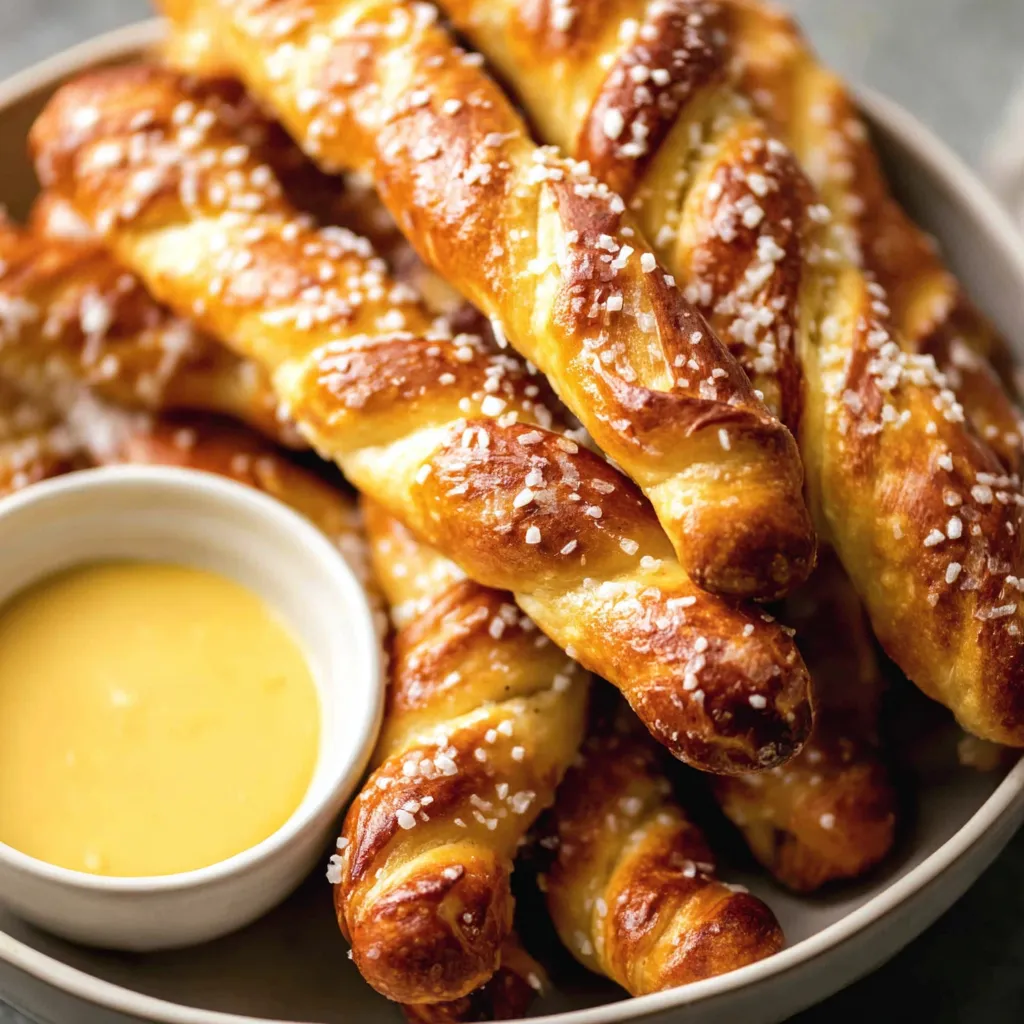
I remember the first time I made these for a neighborhood gathering: they disappeared in under 20 minutes. My sister noted how the crust had that authentic, slightly bitter counterpoint to the sweet dough, which made the whole experience more complex than a plain roll. Over time I adjusted the bake time and the resting period between shaping and boiling to hit the perfect chew—those small timing adjustments made a big difference for consistent results.
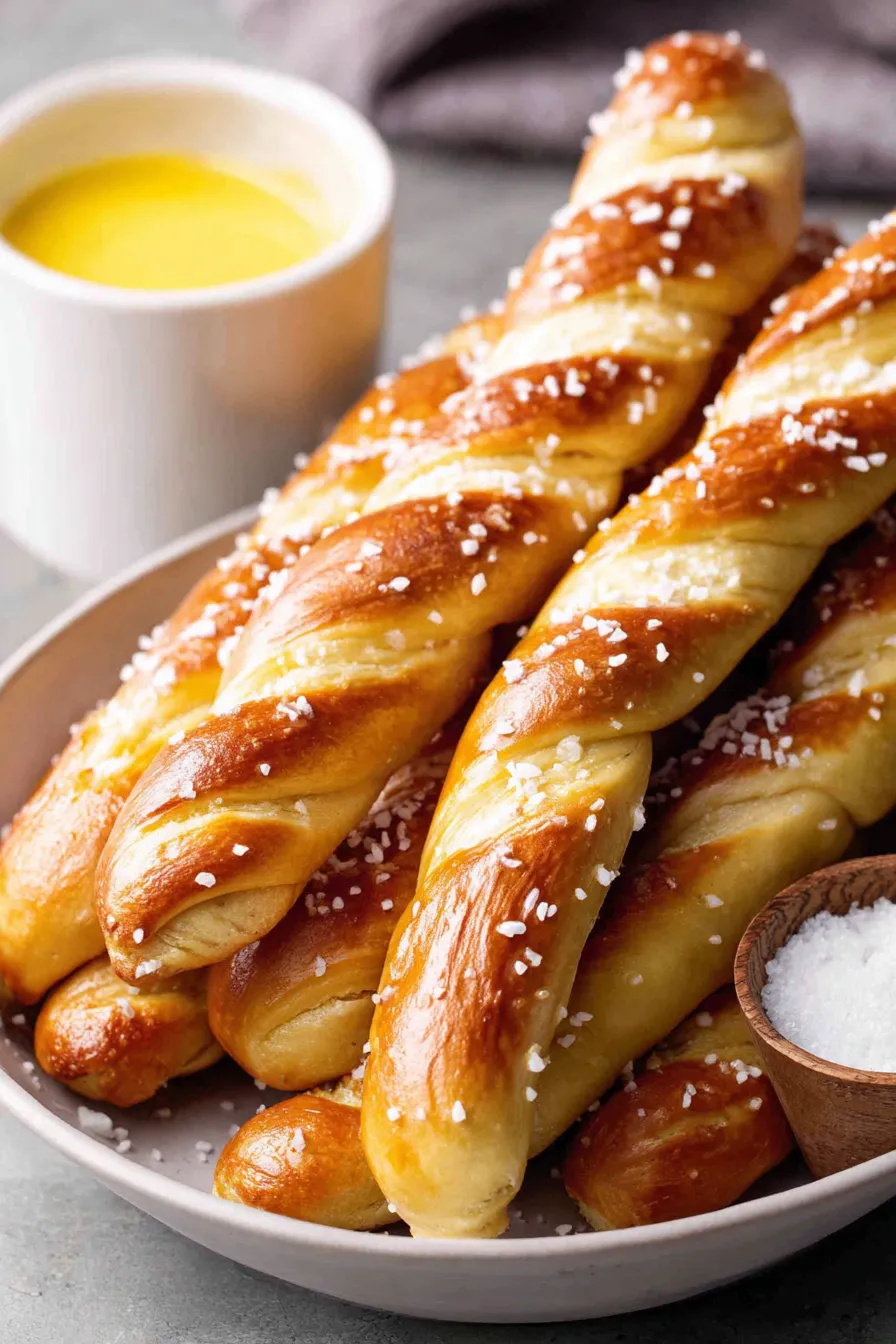
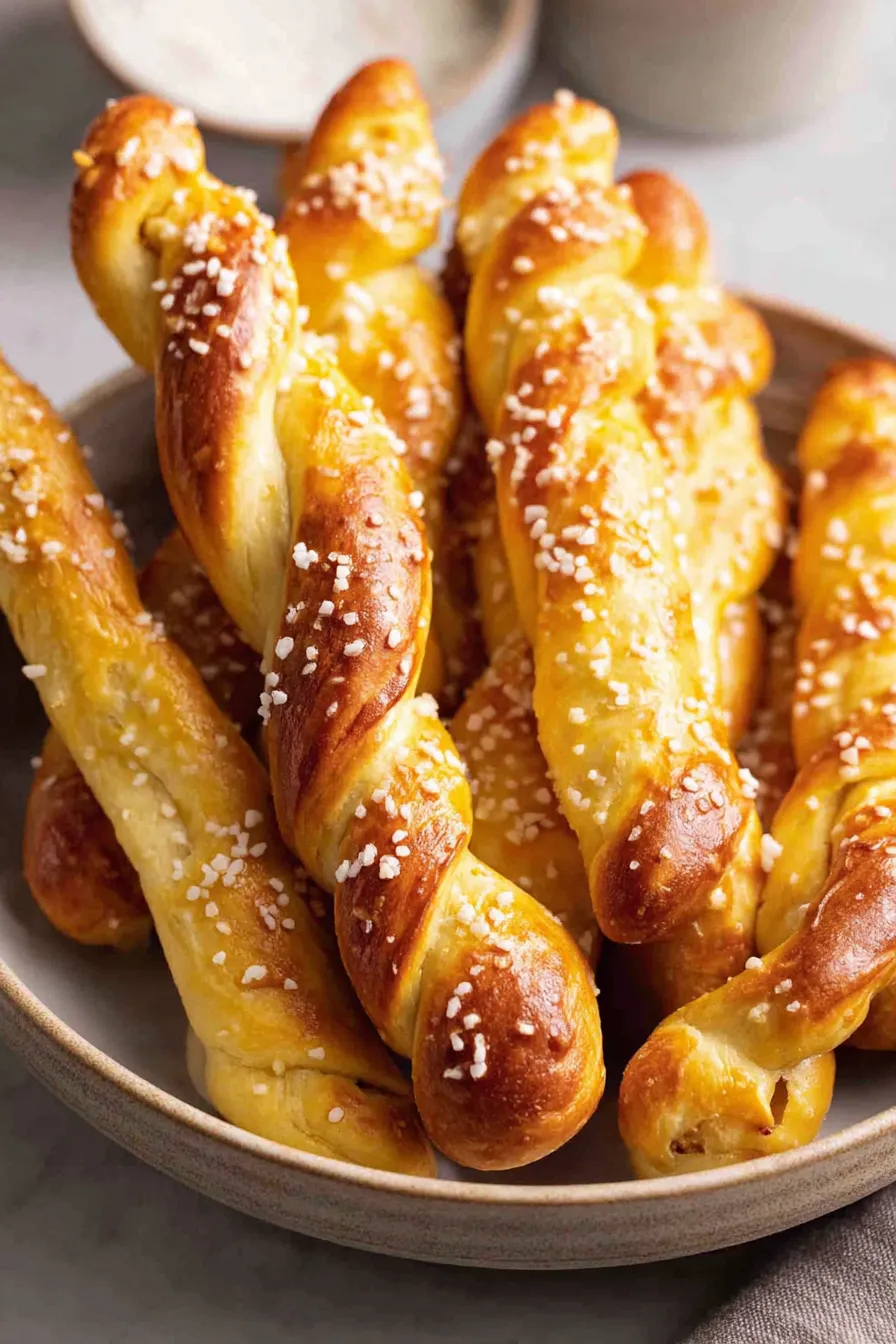
What I love most is how reliably these sticks remind me of street pretzels from a German market—simple ingredients, big flavor. Friends have told me they pair them with everything from spicy brown mustard to sweet cream cheese dips. The baking soda bath is the single technique that transforms an ordinary roll into a pretzel; once you master it, the rest is straightforward and satisfying.
Store leftovers at room temperature in an airtight container for up to 2 days to preserve the crust. For longer storage, freeze the sticks in a single layer on a baking sheet until firm, then transfer to freezer-safe bags for up to 3 months. To reheat frozen sticks, place them on a parchment-lined baking sheet and warm in a 350°F oven for 8–12 minutes from frozen until heated through and the crust regains crunch. Avoid microwaving, which makes the crust soggy and the interior gummy. For best results after thawing, brush very lightly with melted butter and warm briefly to refresh flavor.
If you need dairy-free results, skip the 1 tablespoon butter used for parchment—use a neutral oil or non-dairy margarine instead. For the egg wash, a mix of 2 tablespoons evaporated milk or a non-dairy milk with 1 teaspoon maple syrup can give color, though it won’t brown as deeply. To make a richer dough, swap 2 tablespoons of oil for melted butter, which will add flavor. Whole-wheat pastry flour can replace up to half the all-purpose flour for nuttier flavor, but expect a denser interior; you may need slightly more water. For a vegan version, use aquafaba (the liquid from canned chickpeas) in place of the egg wash and an oil in place of butter.
Serve warm with traditional German mustard or a sharp beer cheese dip. For a brunch spread, include soft-boiled eggs, smoked salmon, and pickles—pretzel sticks add a fun textural contrast. For a sweeter twist, offer a cinnamon-sugar butter or apricot jam alongside. Garnish with a sprinkle of sesame or poppy seeds instead of salt for a visual change and a different flavor profile. These are especially good at casual gatherings where people can grab-and-go; arrange them upright in a tall glass or napkin-lined basket for an inviting display.
Pretzels are a centuries-old bread with roots in European monastic traditions, especially in Germany where they became a symbol of good luck and religious devotion. The characteristic alkaline bath—often lye in traditional baking—gives pretzels their signature color and flavor. Home bakers usually use baking soda for safety and accessibility, which reproduces the crust and deep color effectively. Regional variations in Germany range from large soft pretzels sold at beer gardens to small hard pretzels and sweet pretzels with sugar toppings; these stick shapes are a convenient, portable adaptation of the classic soft pretzel.
In winter, add a pinch of caraway seeds to the dough for a warming, savory note that pairs well with hearty stews. Spring and summer call for lighter accompaniments—pair with fresh herb dips and chilled salads. For holidays, top with everything bagel seasoning or a mix of rosemary and sea salt. You can also incorporate pumpkin spice into a sweet butter for a fall-themed serving. Small adjustments in topping and dip transform these from neighborhood snack to seasonal centerpiece.
To streamline for busy weeks, shape all sticks and freeze them raw on a tray. When needed, boil directly from frozen for a slightly longer boil and then bake until golden—this saves the proofing time while still yielding excellent texture. Alternatively, fully bake and freeze; reheat in a hot oven for 5–8 minutes. Label bags with date and bake instructions so anyone in the household can warm them properly. Keep dips portioned in small mason jars for grab-and-go serving.
These German soft pretzel sticks are a small ritual that brings comfort to meals, gatherings, and quiet nights in. Share them hot from the oven or pack a few for a picnic—the simple pleasures of warm bread and good company never go out of style. Give the method a try and make it your own with favorite salts, dips, and seasonal flavors.
Ensure the yeast foams before proceeding; if it doesn't, start with fresh yeast and slightly warmer water.
Use a kitchen thermometer for the baking soda bath simmer to maintain consistent browning across batches.
Roll sticks to uniform thickness (about 1/2 inch) so they bake evenly and finish at the same time.
Brush egg wash right before baking; if applied too early the wash can run and attract excess salt.
If dough is sticky, add flour a tablespoon at a time rather than all at once to avoid a dry, dense crumb.
This nourishing german soft pretzel sticks recipe is sure to be a staple in your kitchen. Enjoy every moist, high protein slice — it is perfect for breakfast or as a wholesome snack any time.
Yes. You can freeze boiled or fully baked sticks for up to 3 months. Reheat frozen sticks in a 350°F oven for 8–12 minutes.
Use warm water around 110°F to activate the yeast. If the water is too hot it will kill the yeast; if too cool it won't foam.
This German Soft Pretzel Sticks recipe makes perfectly juicy, tender, and flavorful steak every time! Serve with potatoes and a side salad for an unforgettable dinner in under 30 minutes.
Combine brown sugar and warm water (110°F) in the mixer bowl. Sprinkle yeast over top and let stand 5 minutes until foamy to ensure the yeast is active.
Add oil and 3 cups flour, then gradually add remaining flour while mixing. Knead on medium with dough hook about 3 minutes until smooth; add up to 1/4 cup more flour if too sticky.
Place dough in a greased bowl, cover tightly with plastic wrap and let rise at room temperature until doubled, about 45 minutes.
Preheat oven to 450°F, line three baking sheets with parchment and lightly butter the parchment.
Punch down dough, divide into 24 pieces, and roll each into 7–8 inch by 1/2 inch sticks. Place on sheets with 2 inches between and rest 25 minutes until puffed.
Bring 2 quarts water and 3/4 cup baking soda to a boil, reduce to simmer. Keep 1 cup hot water ready to maintain temperature between batches.
Boil 6 sticks at a time for 30 seconds, turning after 15 seconds. Drain on paper towels and repeat, adding hot water between batches to stabilize the bath.
Brush sticks with beaten egg and water, then sprinkle coarse sea salt while wash is wet to ensure adhesion.
Bake at 450°F about 10 minutes until deep golden brown. Serve warm or at room temperature with preferred dips.
Last Step: Please leave a rating and comment letting us know how you liked this recipe! This helps our business to thrive and continue providing free, high-quality recipes for you.
Leave a comment & rating below or tag
@feastu on social media!
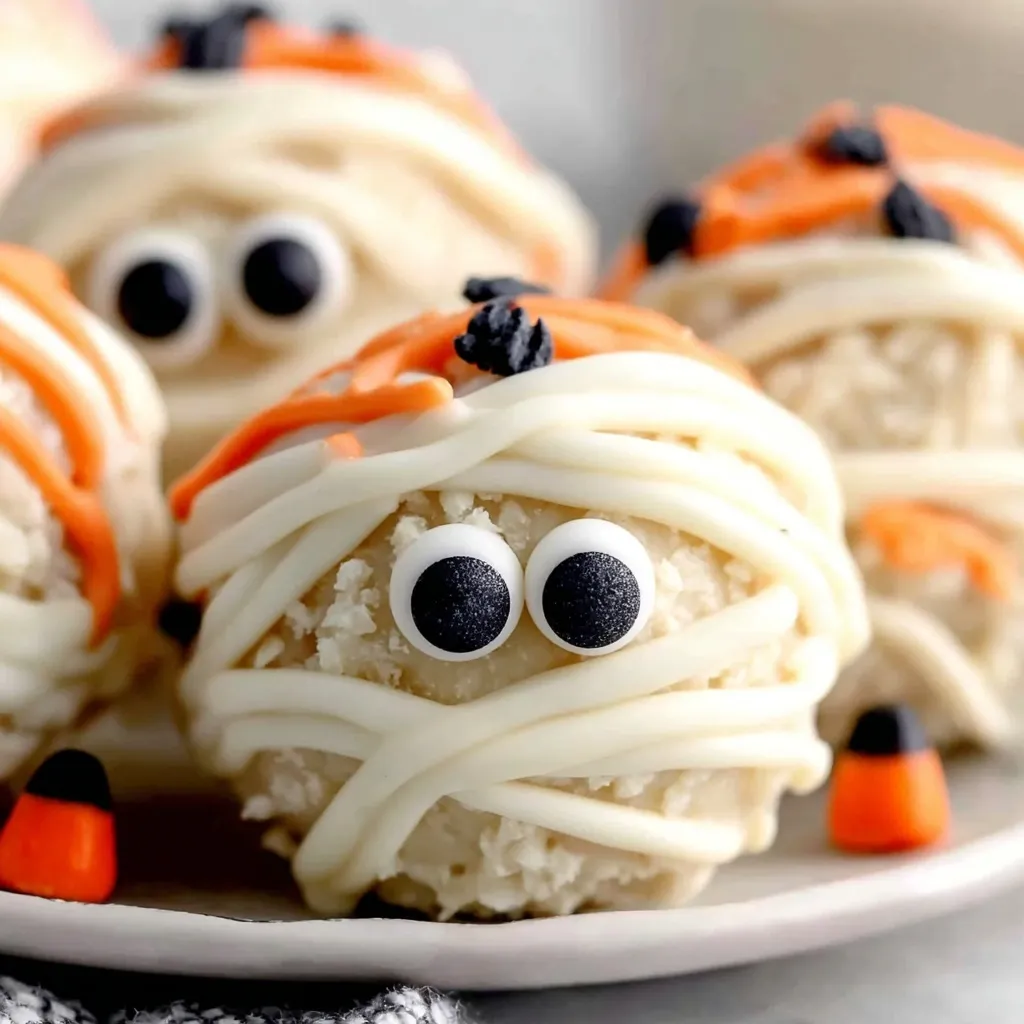
Delightfully spooky and sweet, these bite-sized mummy cake balls combine moist cake, creamy centers, and a vanilla candy shell for effortless Halloween fun.
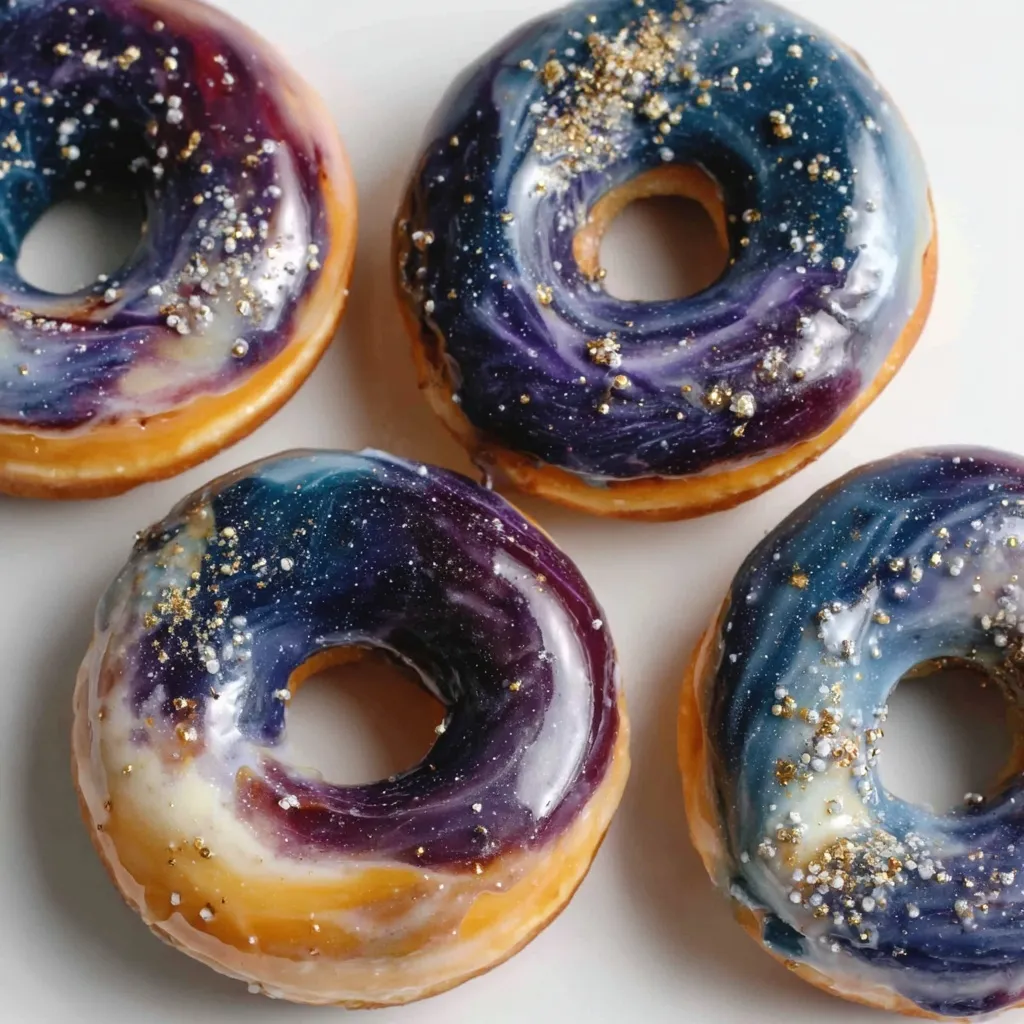
Fluffy homemade donuts crowned with a shimmering galaxy glaze. Fry or bake, swirl bold colors, and watch these showstoppers disappear fast.
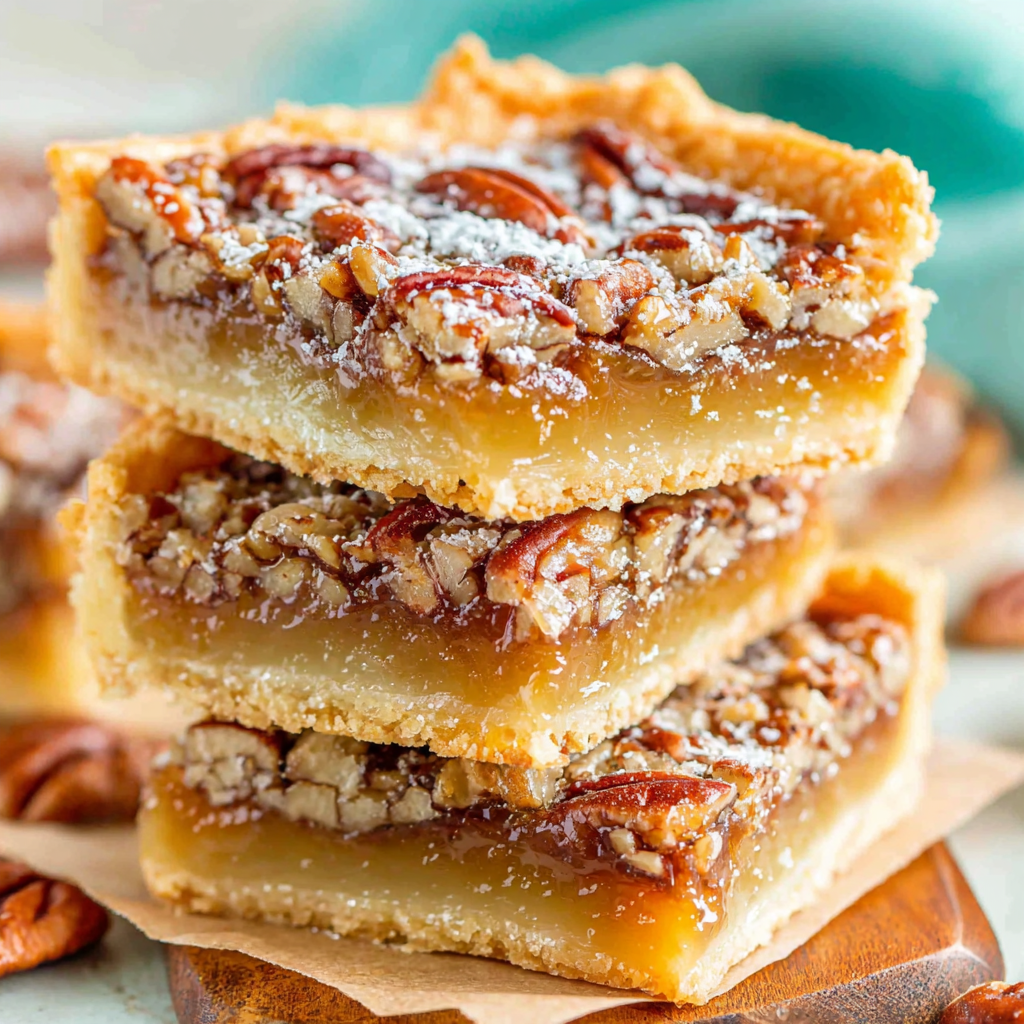
Buttery shortbread crust meets gooey pecan pie filling in easy bar form, perfect for holidays, bake sales, and cozy weeknights.
Leave a comment & rating below or tag @feastu on social media!
Enjoyed this recipe? Share it with friends and family, and don't forget to leave a review!
This recipe looks amazing! Can't wait to try it.
Comments are stored locally in your browser. Server comments are displayed alongside your local comments.

Join to receive our email series which contains a round-up of some of our quick and easy family favorite recipes.